




Park Directory
View All Parks in Genesee
Visitor's Center Hours
Open 9:00am – 5:00pm
Map
Printable Map
Grounds
8am – Sunset Daily
Note
For-Mar is a pet and smoke-free facility.
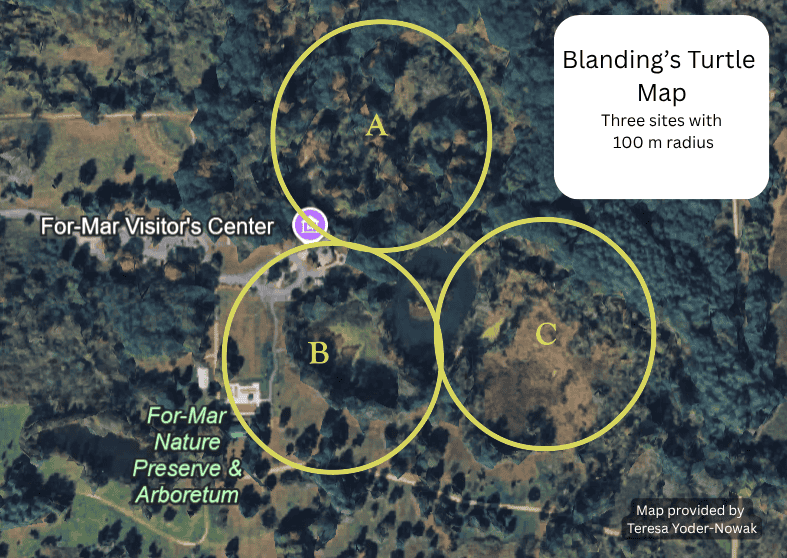
Site Key


What We Are Doing to Help
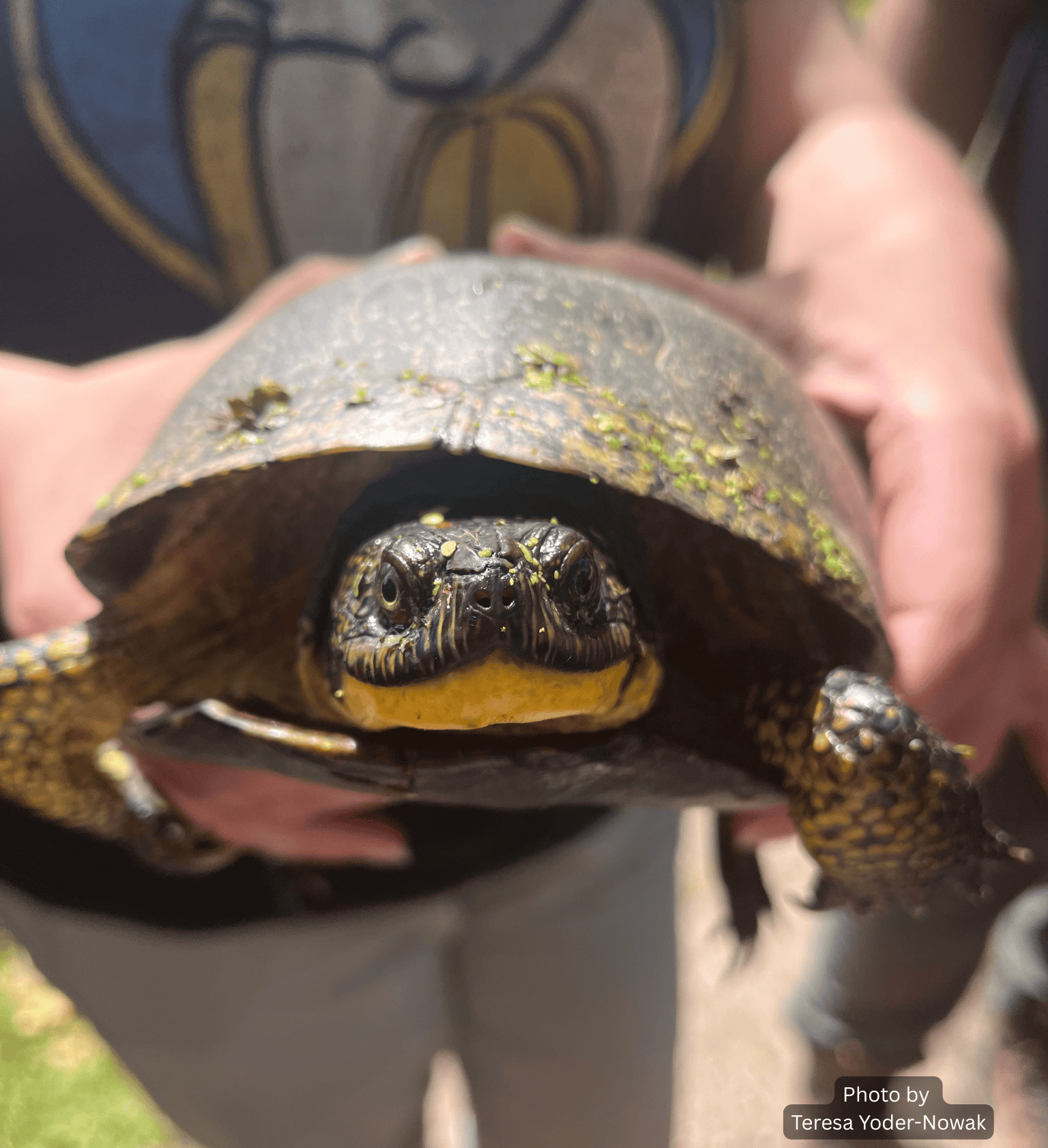
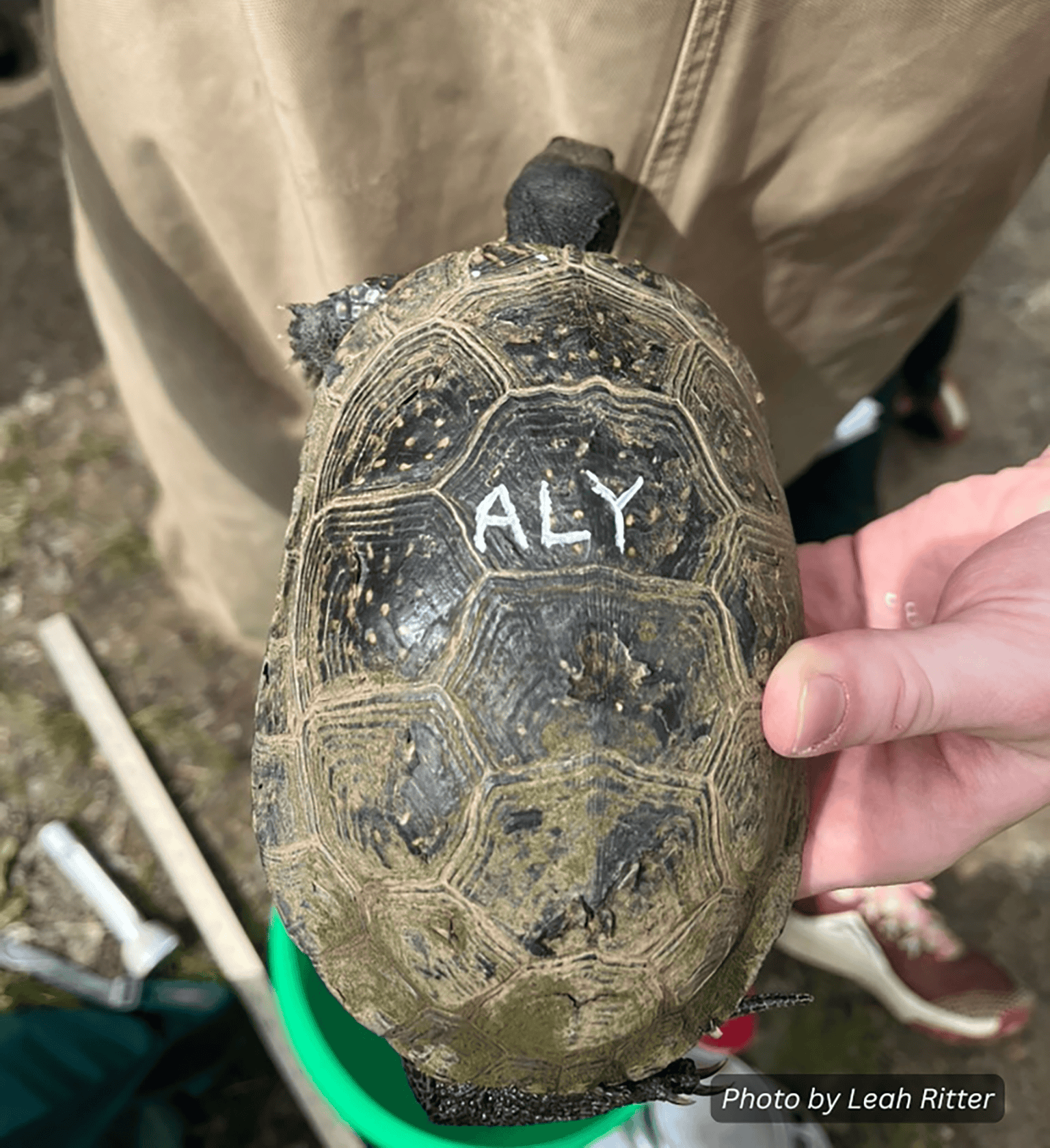
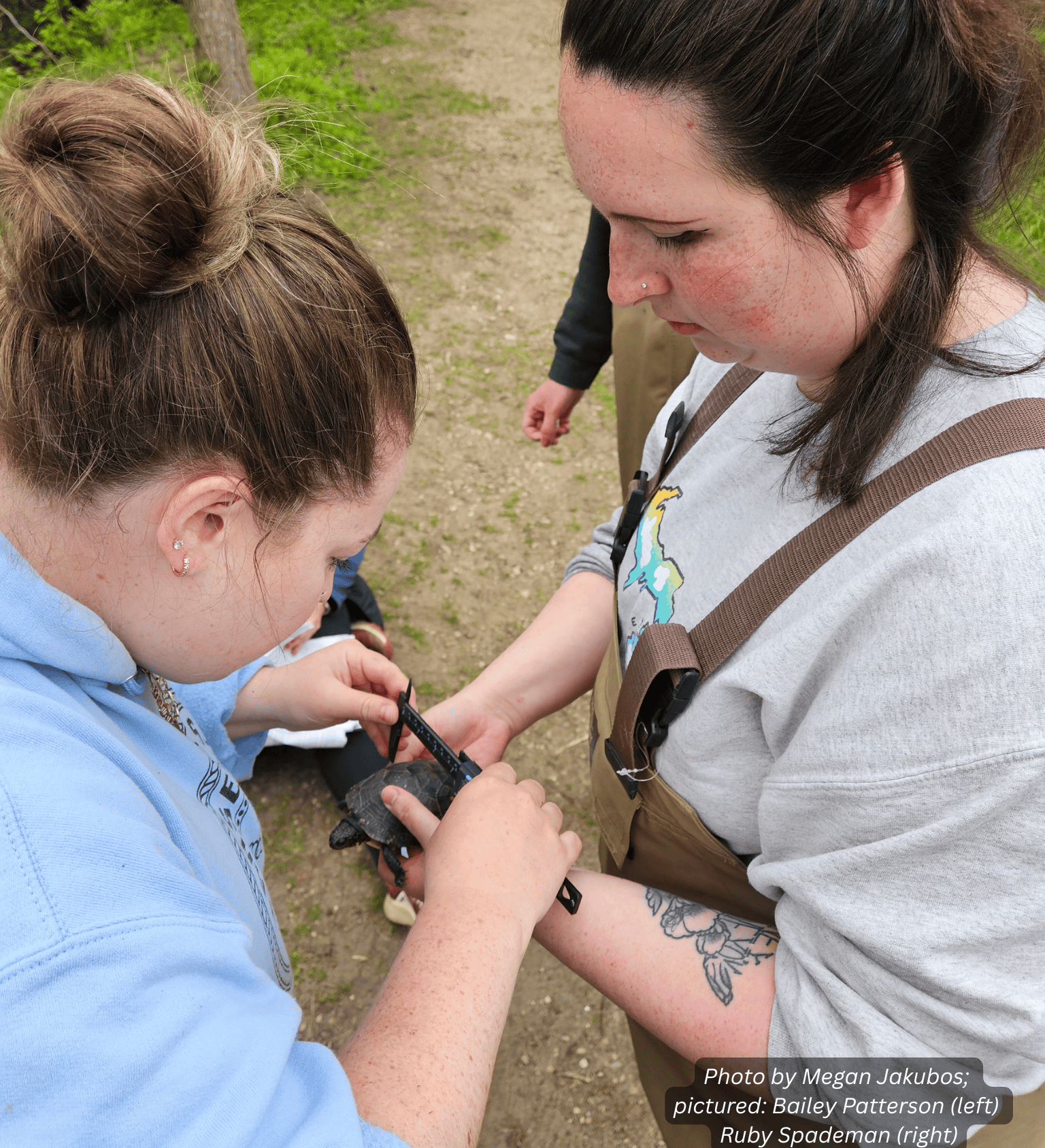
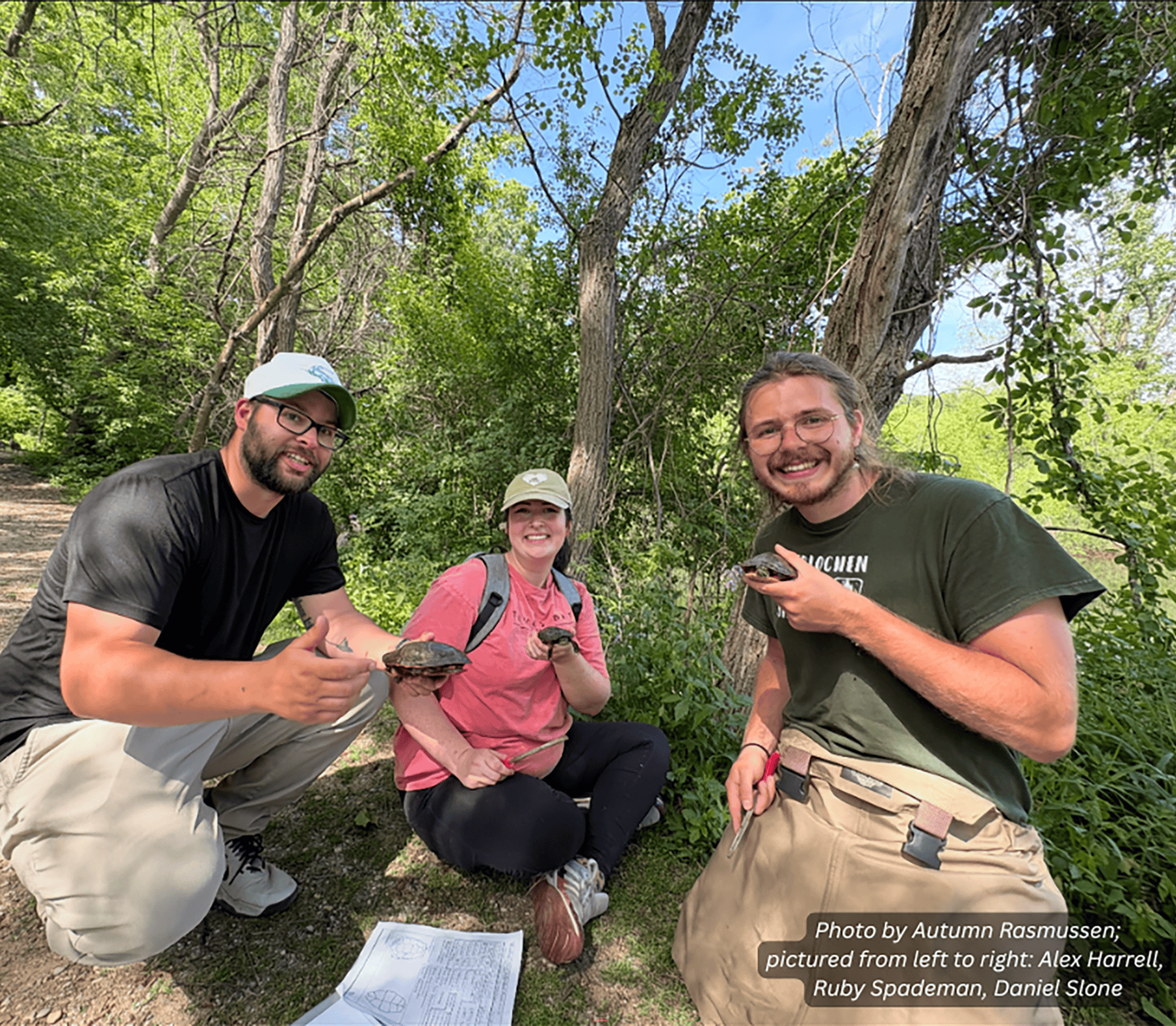
The Blanding’s turtle research project was started in 2019 by Teresa Yoder-Nowak, a lecturer at the University of Michigan-Flint. The study was briefly paused in 2020 and 2021 due to the COVID-19 pandemic but was continued again in 2022 and is still ongoing. Since the program started, there have been thirteen individual Blanding’s turtles captured at For-Mar, two males, five females, and six juveniles! One of them named APK has been caught (and released) five different times since 2019 and has nearly doubled in mass since the first time he was captured!
Our Research Process
One major part of the Blanding’s turtle research involves marking and recapturing the turtles.
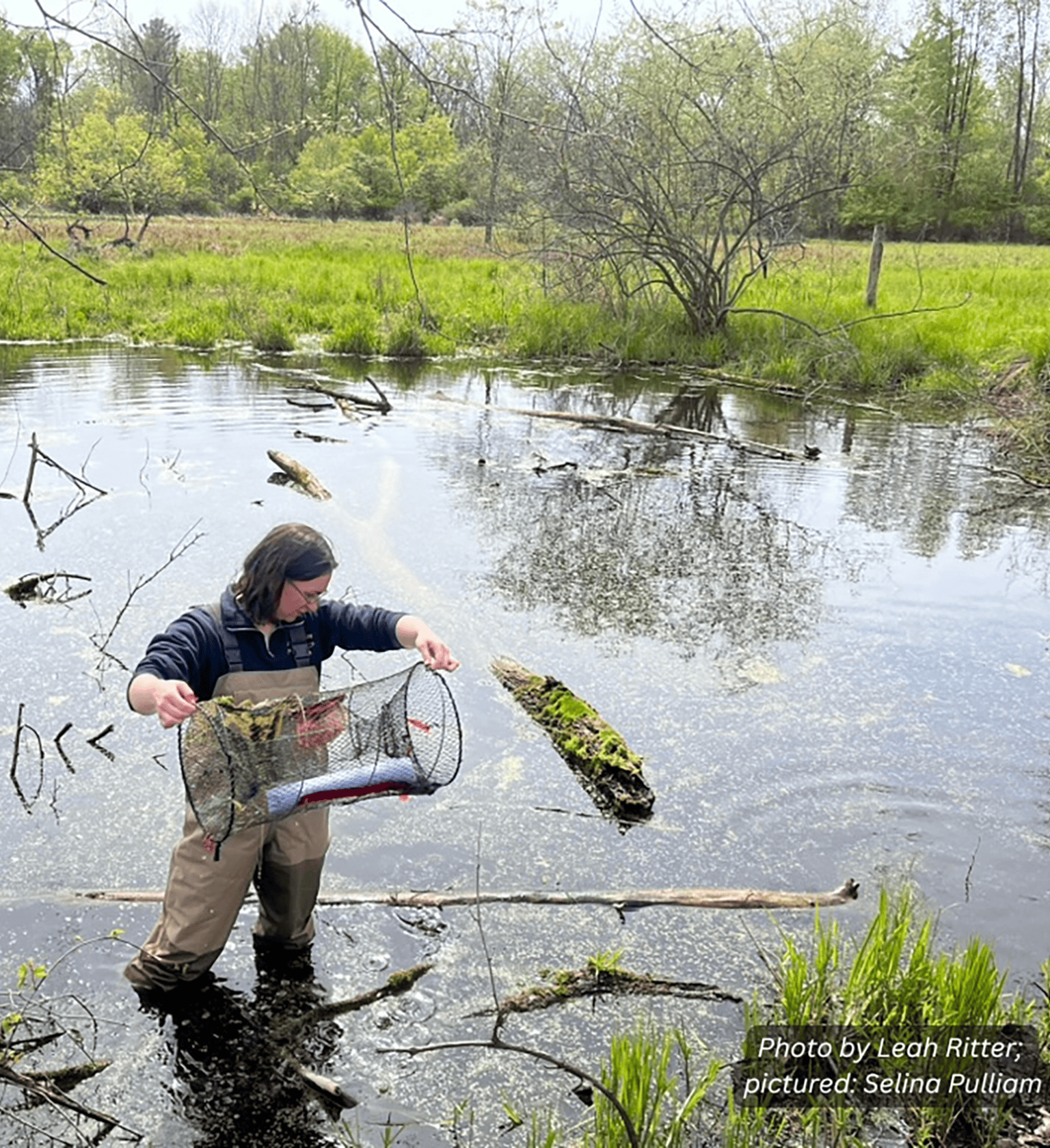
1. First, we capture the turtles in sardine-baited hoop traps at 3 different sites.
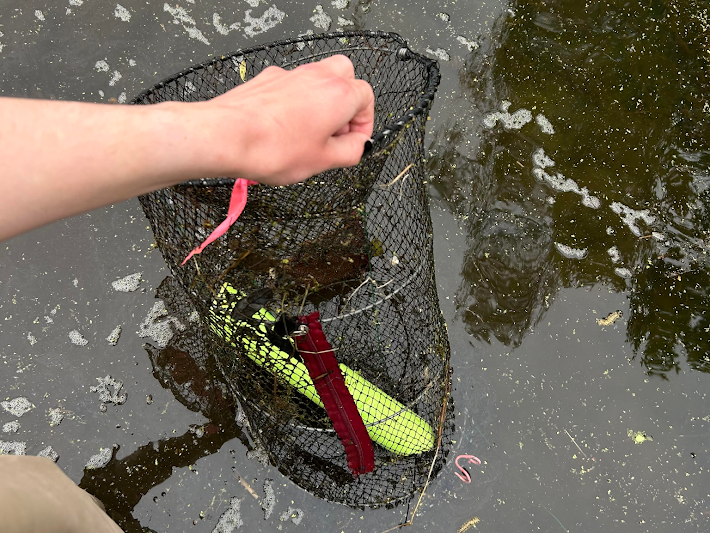
2. We check the traps regularly to see if any turtles have been caught. If so, we record data on their health, their weight (in grams), estimated age by counting scute rings, and sex if they are old enough to determine.
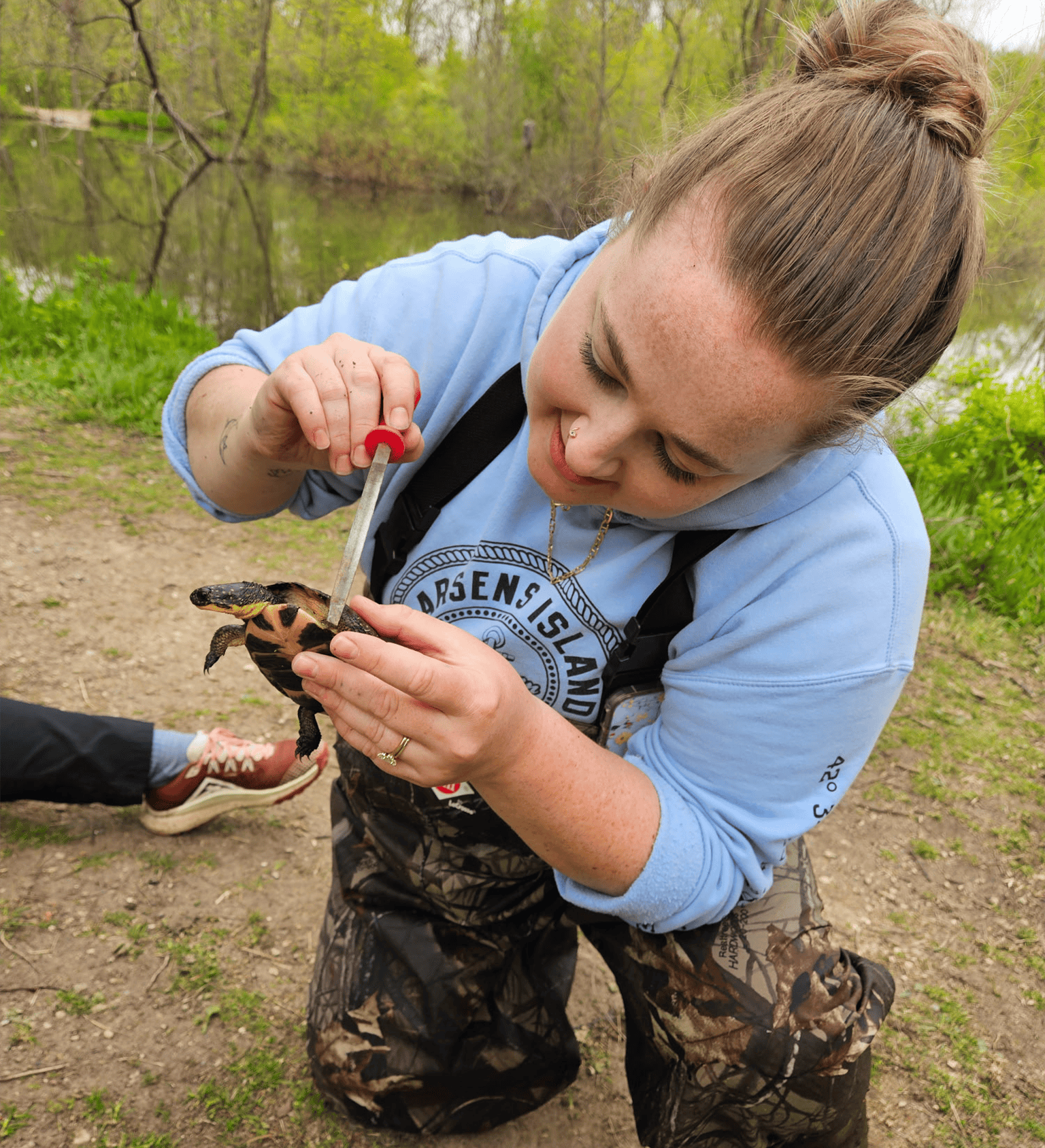
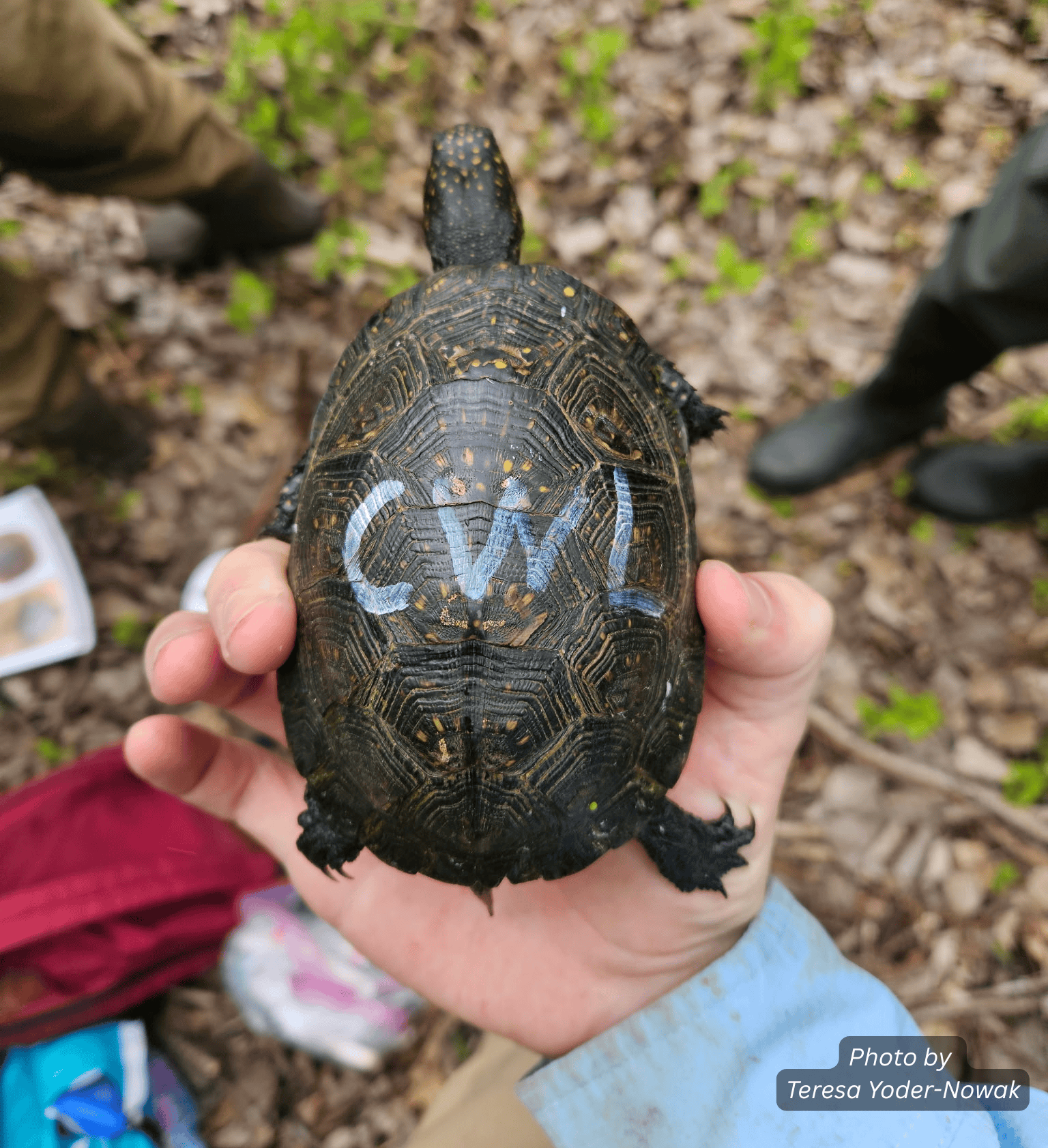
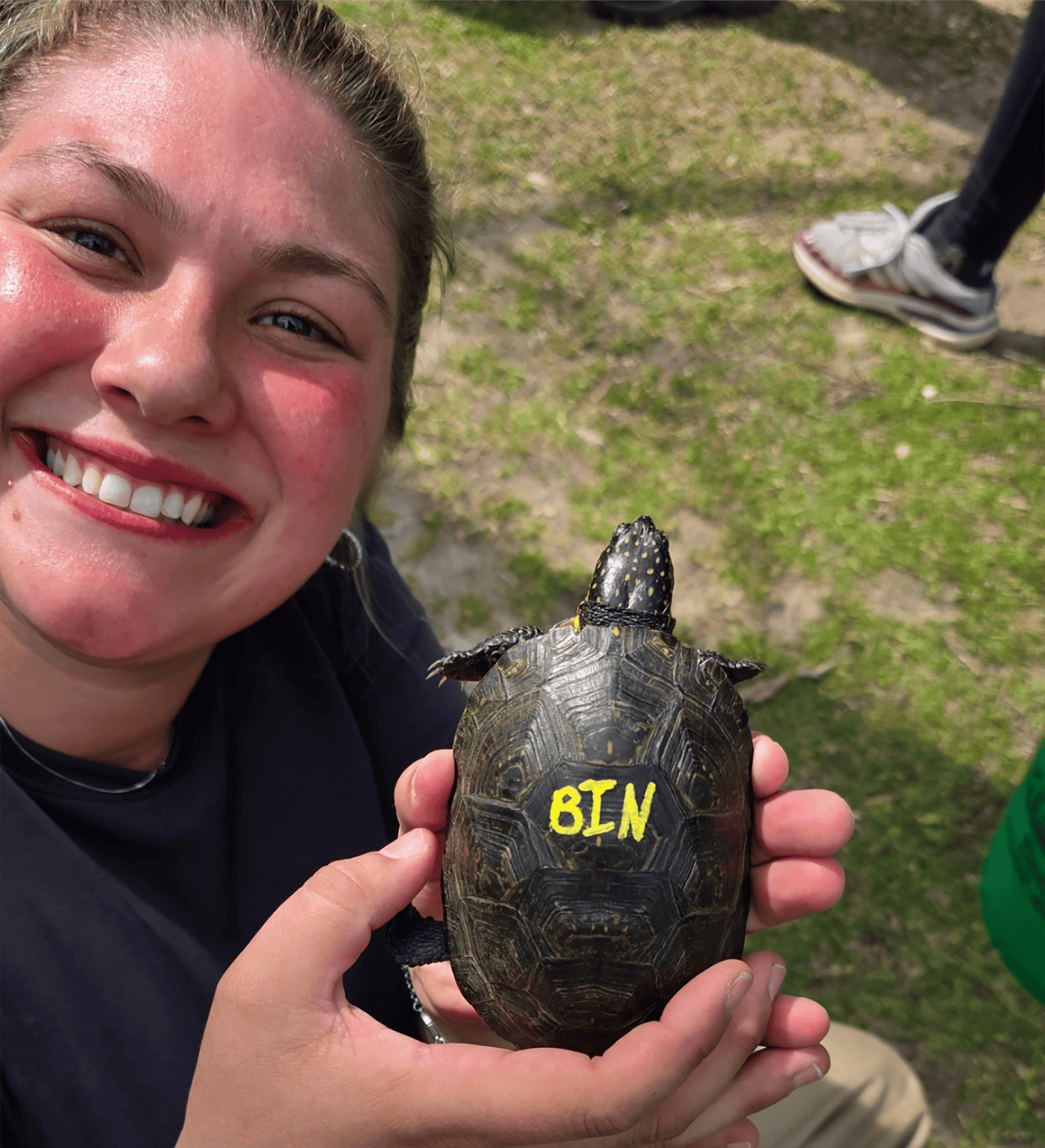
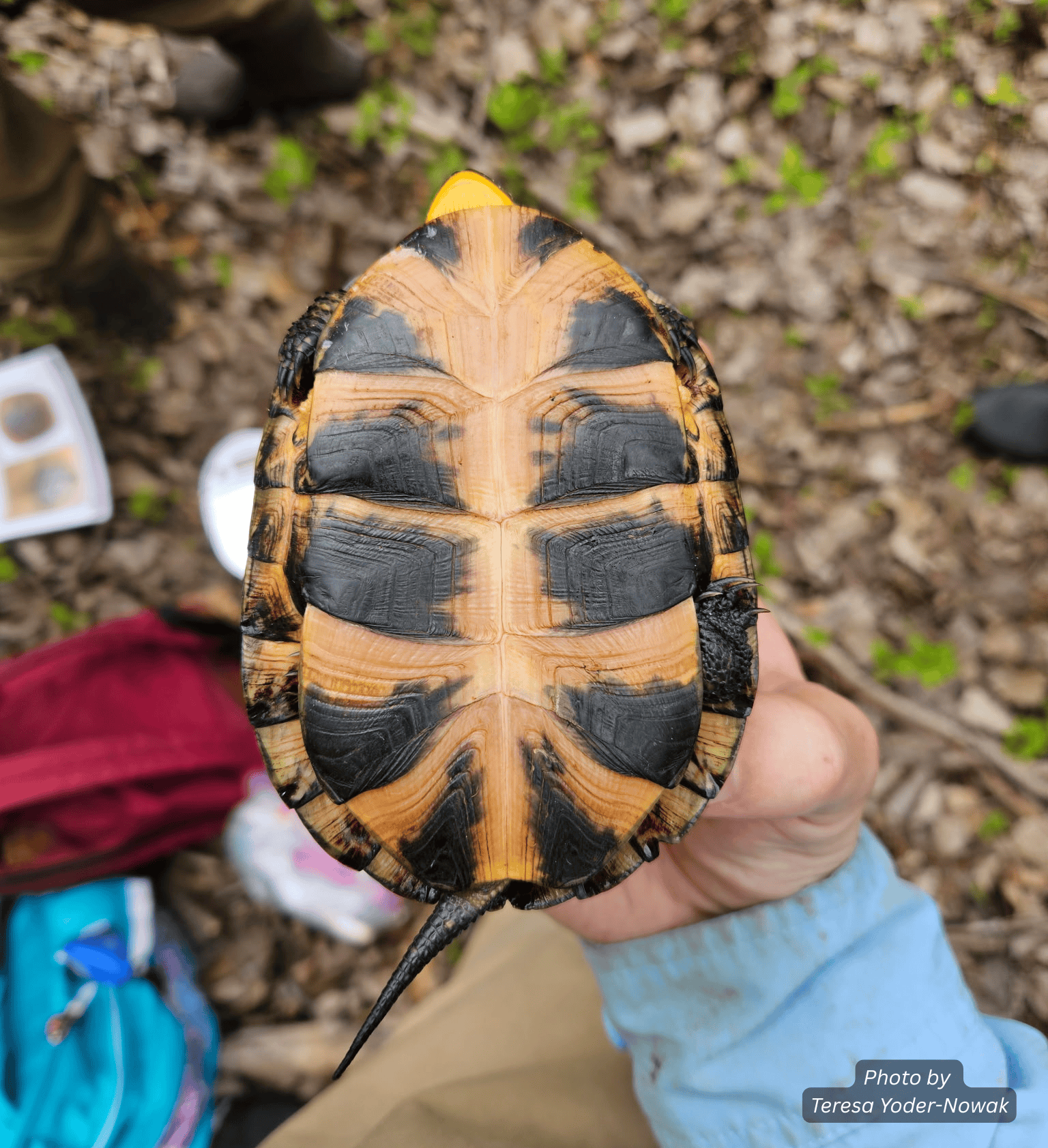
3. The turtles are marked with temporary and permanent marks, which does not hurt the turtles! The shell notching must be done CAREFULLY and correctly by trained professionals. [1]

4. Finally, we release the turtles back to where they were found.


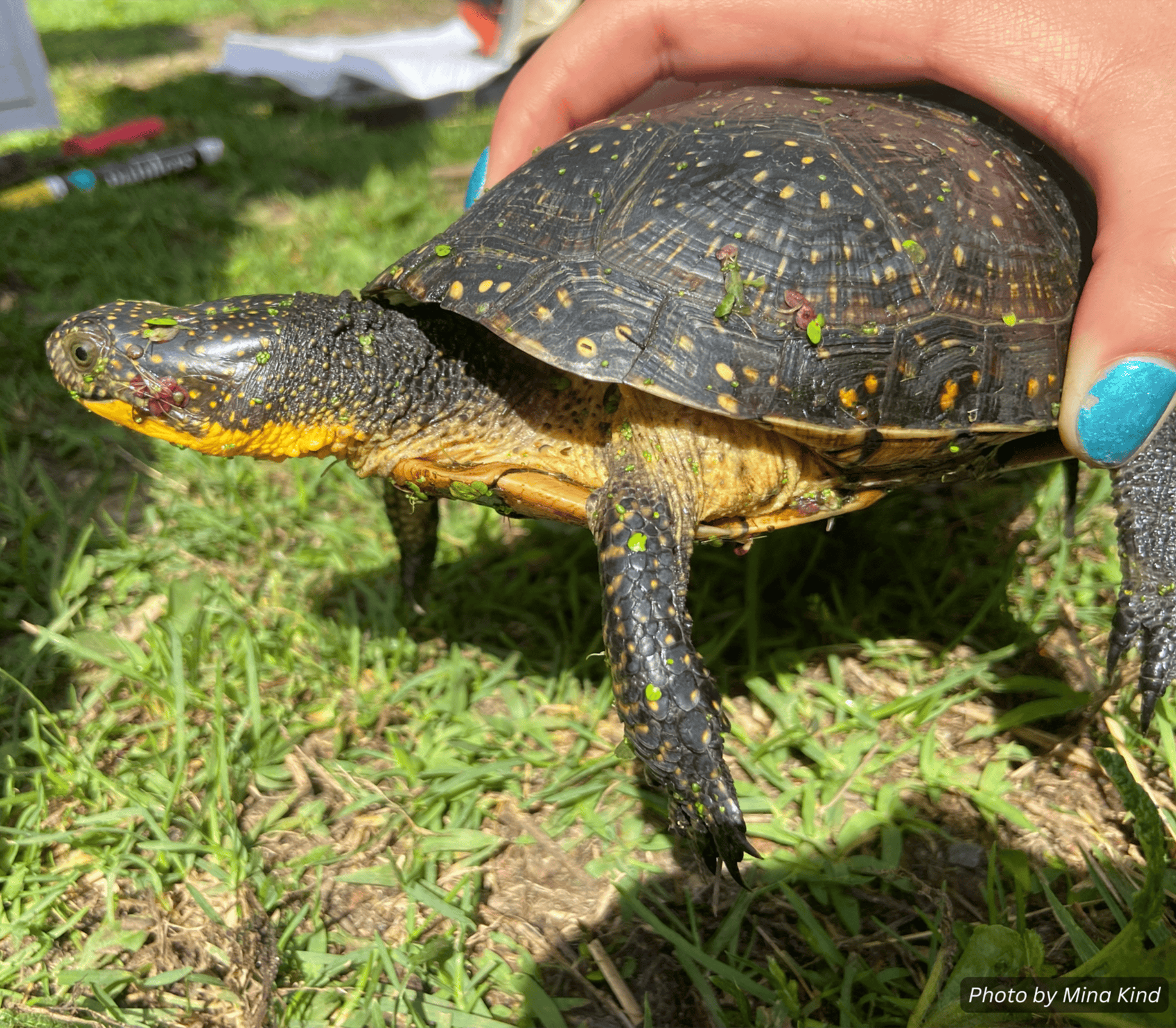
Small notches are made in specific shell scutes to give each turtle a unique code for long-term tracking. As an example, this turtle’s identification code is AOXY.

We also track several turtles in the park that have radio tags attached to their shells. Using radio telemetry equipment, we can locate where they are in the park and monitor their movements from a distance. [2]


How Does This Help the Turtles?
The reason we capture, mark, and release turtles is to help us learn more about them. When they are marked, we can track them over the years as they grow older and keep an eye on the turtle population within For-Mar. This information can even help push out legislation to help legitimize their protection. The more we understand the turtle’s biology, behavior, movement, and habitat use, the better we can conserve their habitats and help their populations recover.

Want to Learn More?
For a detailed description of the North American turtle notching system, click here.
IMPORTANT!
- Do NOT take wild turtles from For-Mar (or elsewhere) to keep as pets. Blanding’s Turtles are a protected species in Michigan, and as of April 2025, they are protected under the DNR Fisheries Order 224.25 – meaning it is illegal to kill, trap, possess, buy, sell, or take from the wild, including their eggs, without specific permits and permission. [3]
- For-Mar does NOT take in unwanted pet turtles and does NOT allow any animals to be released in the park including turtles.
- For-Mar does NOT allow feeding wildlife in the park and does not recommend feeding turtles anywhere in the wild.
DON’T TRY THIS AT HOME!
Remember – students conducting this research are trained and supervised by professionals which have the proper permits to handle the turtles. If you come across any turtles in the park or elsewhere, do NOT attempt to handle or otherwise interfere with the turtles unless they are in immediate danger, such as being in a roadway. If you assist a turtle across a road, move it in the direction it was already traveling. Always wash your hands after handling any wildlife, especially turtles.
REPORT BLANDING’S TURTLE SIGHTINGS
See a turtle? Report Blanding’s turtle sightings to the following organizations:
• Michigan Natural Features Inventory Rare Species Report –
https://mnfi.anr.msu.edu/species/report
• MDNR Eyes in the Field –
https://hub.arcgis.com/datasets/e3a5555fee1e45df8c9f2db7023d6140
• Michigan Herp (Herpetology) Atlas – https://miherpatlas.org
OTHER BLANDING’S TURTLE
PROJECTS AT FOR-MAR!
Interested in a Blanding’s turtle print-out to share and help spread awareness? Check out this flyer, also available in the For-Mar Nature Center!
Check out our Blanding’s turtle social media posts for more turtle content!
Visit our Blanding’s turtle mural and turtle tank located in the For-Mar Nature Center to learn more about this unique species!
COMING SOON



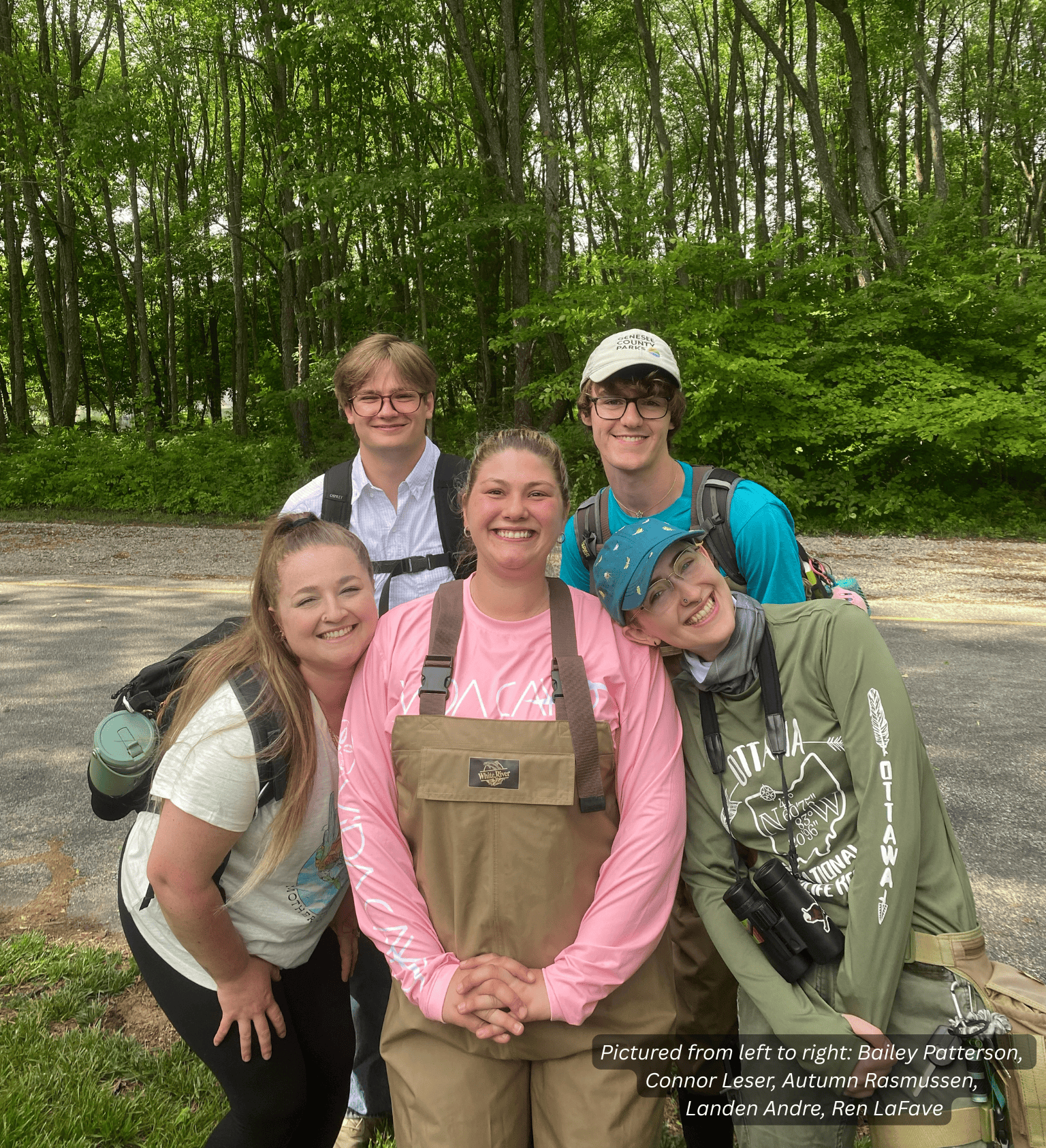
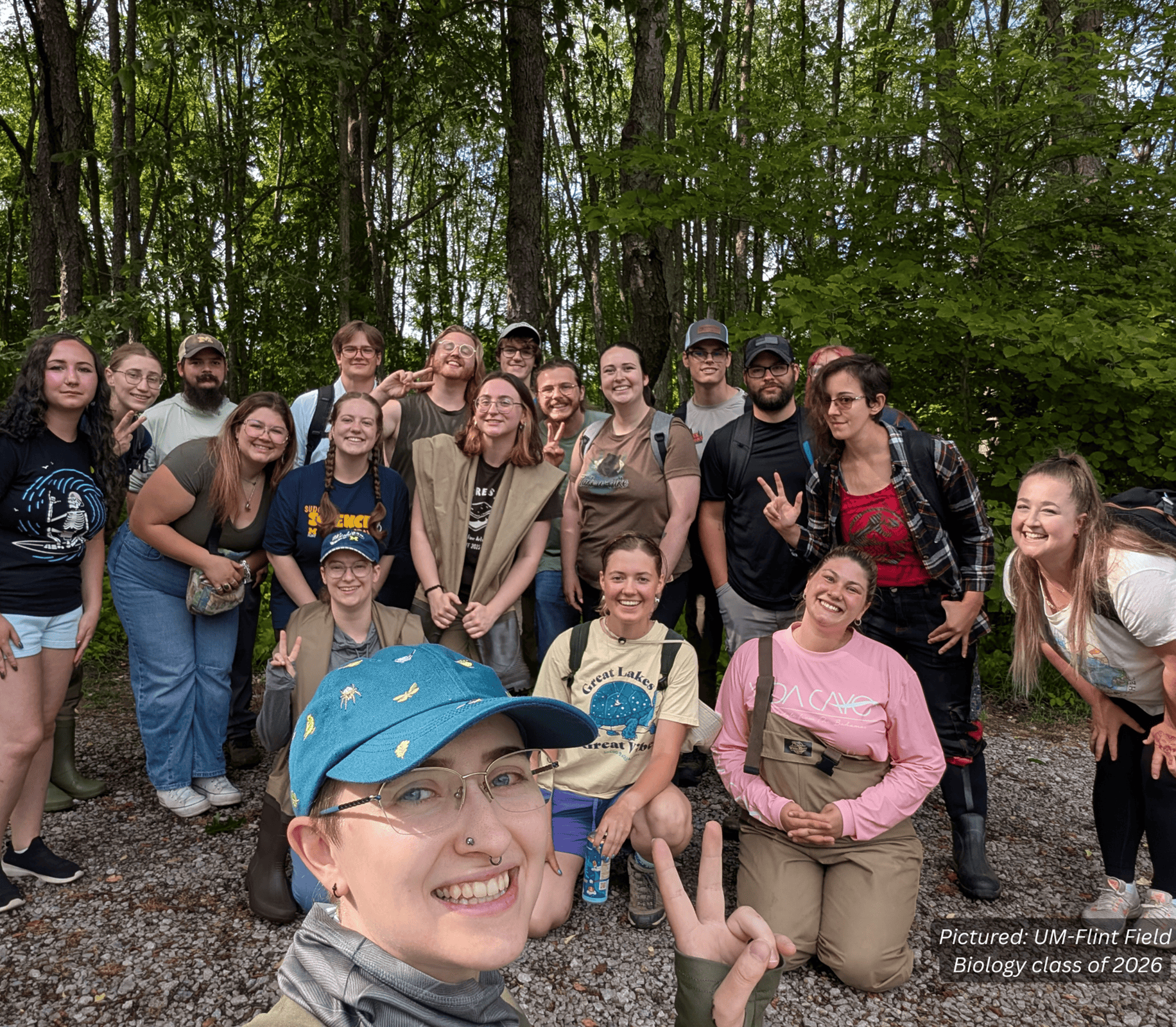
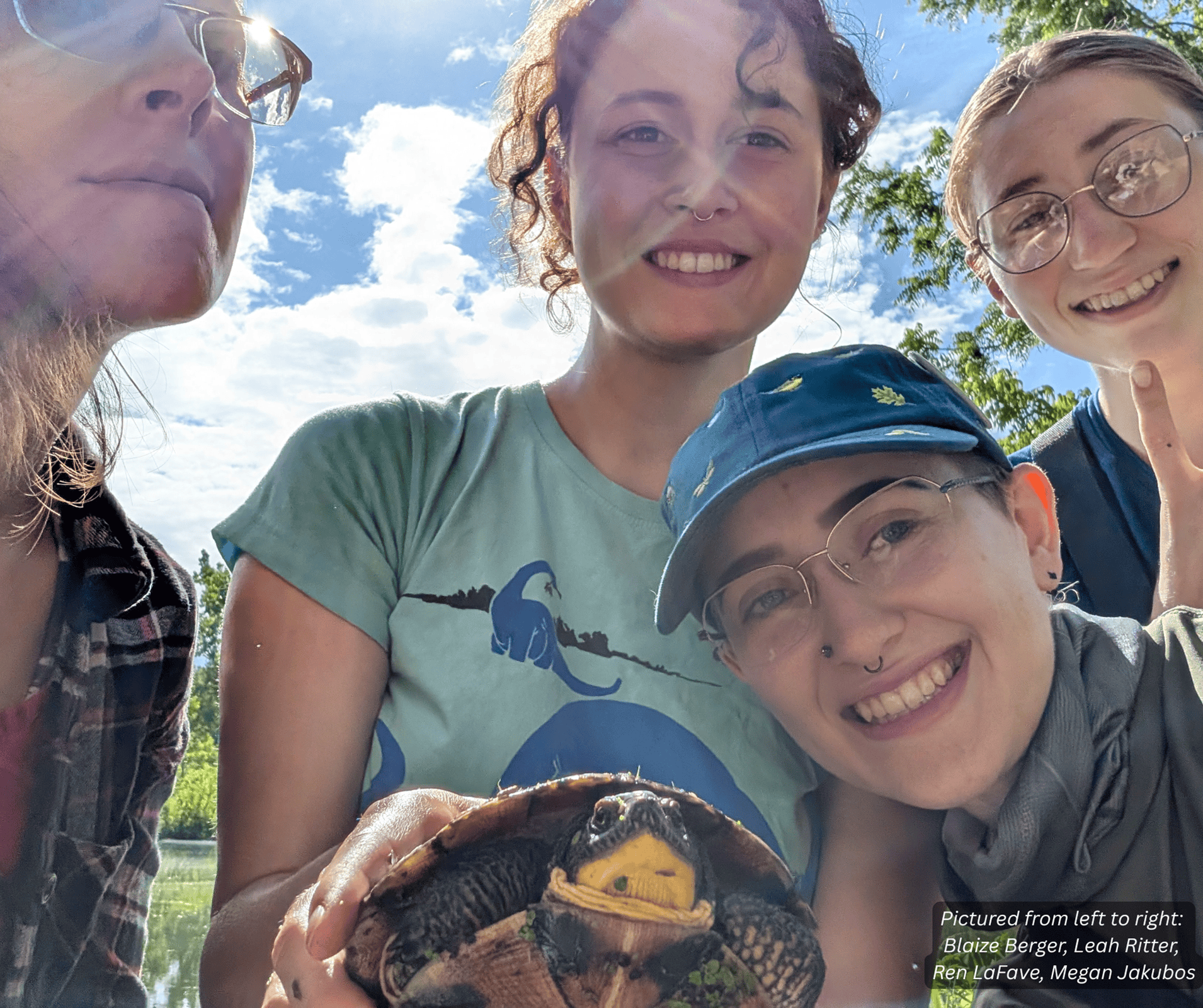
2026 Field Biology Project. Created by Bailey Patterson, Ren LaFave, Autumn Rasmussen, Landen Andre, and Connor Leser
REFERENCES:
[1] Nagle, Roy D, et al. “A Simple and Reliable System for Marking Hard-Shelled
Turtles: The North American Code.” Herpetological Review, Vol. 48, no. 2, 22 June
2017, pp. 327–330, www.researchgate.net/publication/317780325_A_simple_and_reliable_system_for_mar king_hard-shelled_turtles_The_North_American_Code. Accessed 7 June 2026.
[2] Silvy, Nova J. The Wildlife Techniques Manual. Vol. 1: Research, Baltimore, Md., Johns Hopkins University Press, 1 Mar. 2012, pp. 435–487.
[3] Natural Resources Commission and the Department of Natural Resources. Regulations on the Take of Reptiles and Amphibians. 12 Sept. 2024, www.michigan.gov/dnr/-/media/Project/Websites/dnr/Documents/Orders/Fish-Orders/FO _224.pdf?rev=7152dfabdea440ba914f0f354e23cabe&hash=5B6E83BCC089BB3AF9D 02A43FF874BFE. Accessed 7 June 2026.
Explore For-Mar

Nature Preserve

Field Trips

Gardens

Barrier Free Treehouse

Sugar Shack

Visitor’s Center

Apiary

Arboretum

Butterfly House

Outreach